Young Woman Grooming Gray Cat with Comb: A Closer Look at the Art of Feline Care
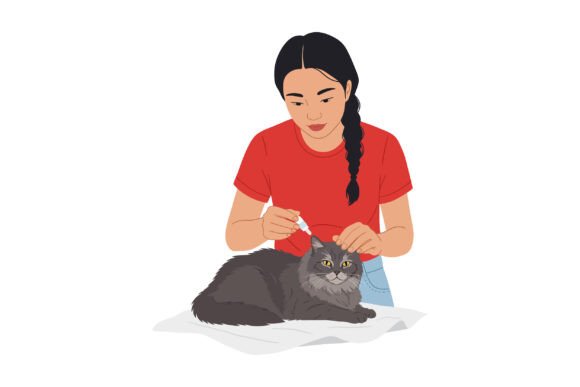
Grooming a cat isn’t just about keeping its coat shiny and tangle-free—it’s a moment of connection, a ritual that builds trust and strengthens the bond between pet and owner. In the serene image of a young woman grooming gray cat with comb, we see more than just routine care; we witness a quiet, meaningful interaction that reflects the emotional and physical benefits of regular grooming.
The Importance of Regular Grooming for Gray Cats
Gray cats, whether they're Russian Blues, British Shorthairs, or domestic shorthairs, often have dense, plush coats that benefit from consistent grooming. A young woman gently combs and brushes a relaxed gray cat indoors, not only maintaining the cat’s appearance but also promoting healthy skin and coat. Regular brushing removes loose fur, distributes natural oils, and minimizes shedding around the home.
For longhaired gray cats, daily grooming may be necessary to prevent matting, while shorthaired breeds can typically be groomed two to three times a week. The combing process also offers an opportunity to check for skin issues, parasites, or unusual lumps, making it a vital part of preventive health care.
Choosing the Right Tools for Grooming
When a young woman grooming gray cat with comb sets out to groom her feline companion, the tools she uses can make a big difference. A basic grooming kit should include:
- A fine-toothed comb for removing tangles and checking the skin
- A slicker brush for smoothing the coat and catching loose fur
- A bristle brush for finishing and polishing the coat
Depending on the cat’s coat type and sensitivity, some owners may also use shedding tools or dematting combs. It’s important to select tools that are gentle yet effective, ensuring the cat remains comfortable throughout the process.
Creating a Calm Environment for Grooming
The serene mood captured in the image of a young woman grooming a gray cat indoors suggests a peaceful setting, which is essential for successful grooming. Cats are sensitive to their surroundings, so choosing a quiet, familiar space can help them relax. Soft lighting, minimal distractions, and a consistent routine all contribute to a positive grooming experience.
Some owners find that grooming after a meal or during a naturally calm time of day—like early evening—works best. Offering treats or gentle praise during the session can reinforce positive associations, encouraging the cat to look forward to future grooming sessions.
How Grooming Strengthens the Human-Cat Bond
When a young woman gently combs and brushes a relaxed gray cat indoors, she’s not just maintaining its coat—she’s reinforcing a bond of trust. Grooming mimics the social behaviors cats engage in with each other, such as licking and nuzzling. This shared moment can be deeply soothing for the cat and deeply satisfying for the owner.
Over time, regular grooming can help reduce a cat’s anxiety around handling, making future vet visits or nail trims easier. It also allows the owner to become more attuned to the cat’s body language, helping them recognize signs of discomfort or stress early on.
Practical Benefits of Grooming for Indoor Cats
Indoor cats may not face the same environmental hazards as outdoor cats, but they still require grooming. Without exposure to natural elements like wind and vegetation to help shed fur, indoor cats are more prone to hairballs and matting. Regular brushing helps mitigate these issues while also keeping furniture and clothing cleaner.
Additionally, grooming can be a valuable tool for weight management. Owners who groom their cats regularly are more likely to notice changes in body condition, allowing for early intervention if needed.
Photography and Digital Art Inspired by Grooming Moments
The image of a young woman grooming gray cat with comb isn’t just heartwarming—it’s also a compelling visual for digital use. Whether used in lifestyle blogs, pet care websites, or social media content, this serene scene evokes a sense of calm and connection that resonates with audiences.
The downloadable ZIP file containing SVG, EPS, JPG, and PNG files of this image offers flexibility for designers and content creators. These formats allow for high-quality reproduction across various platforms, from print media to responsive web design. The SVG and EPS vector files are especially useful for scaling without loss of quality, making them ideal for logos, illustrations, or marketing materials.
Incorporating Grooming into a Busy Lifestyle
Modern life can be hectic, but grooming doesn’t have to be time-consuming. Even a short, focused session of five to ten minutes can make a difference. The key is consistency—grooming a little each day is often more effective than a longer session once a week.
For those who work from home or spend time reading or watching TV in the evening, integrating grooming into these routines can be seamless. It’s also a great way to unwind after a long day, offering a moment of mindfulness and connection.
Common Challenges and How to Overcome Them
Not all cats enjoy grooming at first. Some may squirm, bite the comb, or walk away mid-session. Patience is key when working with a reluctant cat. Start with short sessions, focusing on areas the cat enjoys being touched, like the cheeks or behind the ears.
If the cat becomes agitated, stop and try again later. Never force a grooming session, as this can create lasting negative associations. Using treats, toys, or even grooming gloves that double as petting tools can help ease the transition into regular grooming.
Conclusion
The simple act of a young woman gently combs and brushes a relaxed gray cat indoors captures more than just a grooming session—it reflects care, patience, and the quiet joy of companionship. Whether you're a new cat owner or a seasoned pet lover, incorporating regular grooming into your routine can enhance your cat’s well-being and deepen your relationship. With the right tools, environment, and mindset, grooming becomes not just a chore, but a cherished moment of connection.