Mastering the Art of Roasting Turkey: A Chef’s Guide to Flavor and Presentation
Introduction: The Role of Detail in Culinary Excellence
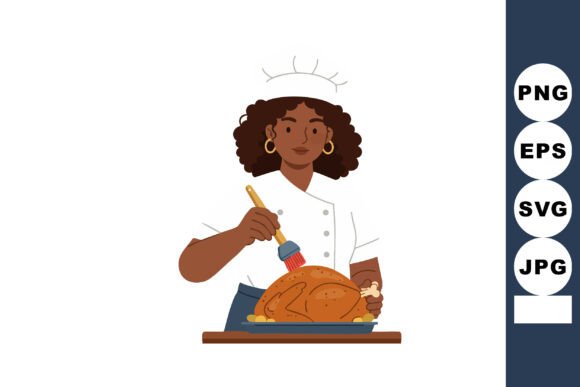
In the world of culinary arts, attention to detail can transform a simple dish into a memorable experience. One such moment is captured in the scene of a female chef wearing a white uniform, brushing sauce onto a roasted turkey placed on a wooden table in a kitchen. This image not only reflects the precision and care that go into preparing a holiday centerpiece but also highlights the importance of presentation, flavor development, and technique in modern cooking.
Whether you're a home cook or a professional chef, understanding how to properly roast and glaze a turkey can elevate your cooking skills and impress your guests. This article explores the significance of this culinary moment, the techniques involved, and how it fits into the broader context of food preparation, creativity, and modern dining culture.
The Significance of the Scene: More Than Just a Picture
The image of a female chef brushing sauce on a roasted turkey is more than just a snapshot—it’s a symbol of culinary craftsmanship. It represents the final, critical step in a carefully orchestrated process: applying the glaze or baste that enhances flavor and creates a beautiful golden crust.
- Visual storytelling: Images like this one convey the dedication and artistry behind cooking.
- Professionalism: The chef’s white uniform signals expertise and hygiene, important elements in both home and restaurant kitchens.
- Attention to detail: Brushing sauce is a small but crucial step that impacts both taste and appearance.
Such imagery also plays a role in how food is marketed and shared, especially in digital content, cookbooks, and media. It’s a visual cue that helps audiences connect with the process and the person behind the meal.
Roasting Turkey: A Step-by-Step Guide
Roasting a turkey is a time-honored tradition, especially during holidays like Thanksgiving and Christmas. But achieving the perfect roast requires more than just placing the bird in the oven. Here's how to do it right:
- Choose the right turkey: Opt for a fresh or properly thawed bird, ideally 12–16 pounds for a family of 8–10.
- Season generously: Use a mix of herbs, salt, pepper, and butter under the skin and on the surface.
- Preheat your oven: Set it to 325°F (165°C) for even roasting.
- Truss and roast: Tuck the legs and wings to promote even cooking. Place the turkey breast-side up on a rack in a roasting pan.
- Baste regularly: Every 30–45 minutes, use the pan juices or a prepared sauce to brush over the turkey.
- Check the temperature: Insert a meat thermometer into the thickest part of the thigh. It should read 165°F (74°C).
- Rest before carving: Let the turkey sit for 20–30 minutes to allow juices to redistribute.
Each of these steps contributes to a juicy, flavorful turkey. The act of brushing sauce—whether it’s a butter glaze, maple-balsamic reduction, or herb-infused mixture—is particularly important for both flavor and aesthetics.
The Art of Basting and Glazing
Brushing sauce onto a roasting turkey isn’t just about flavor—it’s a technique that impacts texture and color. Here’s what you need to know:
- Flavor infusion: Each baste adds layers of taste, especially when using sauces with herbs, citrus, or sweet elements.
- Moisture retention: Basting helps keep the meat moist by preventing the outer layer from drying out.
- Caramelization: Sugary glazes, like honey or maple, caramelize during roasting, creating a beautiful golden-brown finish.
Common basting liquids include:
- Butter and garlic
- Apple cider and herbs
- Orange juice and rosemary
- Worcestershire sauce and brown sugar
Timing is key. Apply sweet glazes during the last 30–45 minutes of roasting to avoid burning, while savory bastes can be applied throughout the cooking process.
The Chef’s Role: Creativity and Precision
The female chef in the scene embodies the balance of creativity and precision that defines professional cooking. Her uniform represents cleanliness and professionalism, while her focused atmosphere shows the concentration required to execute a dish perfectly.
Chefs must understand not only the science of cooking—like how heat affects proteins and fats—but also the artistry involved in plating, seasoning, and timing. In this moment, she’s not just applying sauce; she’s finishing a dish that tells a story of preparation, care, and culinary expertise.
Modern Cooking and Visual Storytelling
In today’s digital age, images like the one described are essential for content creators, chefs, and educators. Whether used in blog posts, social media, or educational materials, such visuals help convey techniques and inspire others to cook.
High-quality images—including SVG, EPS, JPG, and PNG files—are especially valuable for:
- Educational content: Illustrating steps in a recipe or cooking tutorial.
- Marketing: Attracting attention on food blogs, recipe apps, or social media platforms.
- Print materials: Used in cookbooks, menus, or promotional flyers.
These formats offer flexibility across platforms. SVG and EPS are ideal for scalable graphics, while JPG and PNG provide high resolution for both print and digital use.
Common Misconceptions About Roasting Turkey
Even experienced cooks may fall into common pitfalls when roasting turkey. Here are a few myths debunked:
- Myth: Basting constantly ensures a moist turkey.
Reality: Frequent basting can lower oven temperature and lead to uneven cooking. - Myth: A larger turkey is always better.
Reality: Overly large birds can be harder to cook evenly and may dry out. - Myth: Turkey must be cooked well-done.
Reality: Cooking to 165°F (74°C) is safe and helps prevent dryness.
Understanding these nuances helps cooks avoid common mistakes and achieve better results.
Conclusion: Elevating Your Culinary Skills
The image of a female chef brushing sauce on a roasted turkey encapsulates the heart of cooking: a blend of technique, creativity, and care. Whether you're preparing a holiday meal or mastering your culinary craft, every detail—from the baste you choose to the way you present the final dish—matters.
By understanding the science behind roasting, practicing precision in technique, and appreciating the role of visual storytelling in food culture, you can elevate your cooking and share your passion with others. And with the right tools—like high-quality image files—you can communicate your knowledge effectively and beautifully.
So next time you're in the kitchen, remember: even the smallest step, like brushing on a glaze, can make a big difference in flavor, appearance, and overall enjoyment.